
A place to reflect on the tragic sinking and honour the memory of all those aboard RMS Lusitania 7 May 1915
The layout of the Napoleonic Signal Tower site meant that the walled semi – circular enclosure south of the tower provided an ideal space for a sunken memorial garden. The primary objective was to create a peaceful space where visitors could reflect on the story of RMS Lusitania and all those aboard – survivors and victims. Following a tender process, the Lusitania Museum/Old Head Signal Tower Heritage CLG Committee commissioned the firm of Landscape Architects, Cunnane Stratton Reynolds [CSR] to design the Memorial Garden.
On 18 March planning permission for the Lusitania Memorial Garden wasgranted. Next, the Committee explored how best to create an appropriate memorial focal point. The committee engaged the services of the National Sculpture Factory [NSF] to select the sculptors. Many different designs were proposed, but the exceptional design was the ‘Wave’ by North Cork Artists Liam Lavery and Eithne Ring. They were commissioned to implement their design – a 20 metre long curved ‘Wave’ to contain 1,962 names amongst visuals of the story. Extensive research was carried out by Con Hayes and Lusitania historian Peter Kelly to accurately compile the names of all those aboard the RMS Lusitania. This meticulous work revealed numerous inconsistencies in spelling and instances where establishing a person’s identity proved particularly challenging.
The resulting memorial is unique inits inclusive approach—honouring every soul on board, both crew and passengers, survivors and victims alike. With over 900 victims never recovered, it is especially poignant that their names are now cast in bronze at the nearest point of land to the site of the sinking, offering a place of remembrance and reflection for generations to come.
We were very proud to be involved in such a historic and important commemoration. When we were first approached to participate in the competition to select an artist for a sculpture to honour all those on board the Lusitania—both the lives lost and the survivors—we were immediately drawn to the project.
The brief asked for something both powerfuland deeply respectful. One of its core requirements was to include the names of all passengers and crew, clearly indicating those who perished and those who survived. Another was that the work would need to integrate seamlessly with the planned circular sunken garden at the memorial site. Our concept grew from the idea of creating a sculpture that would quietly and meaningfully tell the story of the Lusitania’s final voyage—from her departure from New York to her tragic sinking off the Old Head of Kinsale. We also wanted to reflect the aftermath: the rescue of survivors, the recovery and burial of the dead, and the broader historical significance of the event.
Research revealed that the sea was unusually calm on the day the Lusitania sank—a quietness that stood in stark contrast to the tragedy that unfolded. This detail stayed with us, and it began to shape the visual language of our design. We developed the concept around agently inclined bronze wave, 20 metres in length, that would follow the outer curve of the sunken garden. It was designed to serve both as a sculptural element and as a handrail—something tactile and present, visible from above and outside the garden, as well as from within. We were delighted when our concept was selected. And then came the realisation: we would have to build it.
Translating an idea of such scale and sensitivity into physical form was both fascinating and challenging. Every stage of making—from the technical logistics to the finedetails—demanded care and consideration. But the process only deepened our connection to the work and to what it represented. As a result of the commission, we now feel deeply connected to the area—and, more importantly, to the people who were involved in making the memorial a reality. Their “can-do” attitude was truly inspiring. It’s a place we often return to, and one we bring friends to when they visit, whether from overseas or other parts of Ireland.
One particularly memorable visit was with Françoise and Luigi Betgamo, the directors of the foundry Cornille-Havard in Normandy, France where the sculpture was cast. The artisans at their historic bell foundry took enormous pride in casting the ten sections of the Wave. Their craftsmanship and dedication gave the piece an added depth of meaning. Following our tour of the Signal Tower we were invited back to JJ and Josie Hayes’ farmhouse for lunch. We sat around the kitchen table—three links in the chain of the Lusitania sculpture: the artists,the foundry, and the commissioners. We talked about food, work, country life—and discovered, to everyone’s amusement, that the Hayes’ and the Bergamo’s had the exact same teapot. It was a small, incidental moment, and such conversations; casual, human, full of warmth, were likely not so different from the ones shared on board the Lusitania before its sinking. These interactions, between people from different walks of life, are part of what made the project so special. They reminded us that behind every public artwork lies a tapestry of collaboration, care, and connection.
What began as a commission became a connection—to history, to place, and most importantly, to people.
- Eithne Ring and Liam Lavery - April 2025
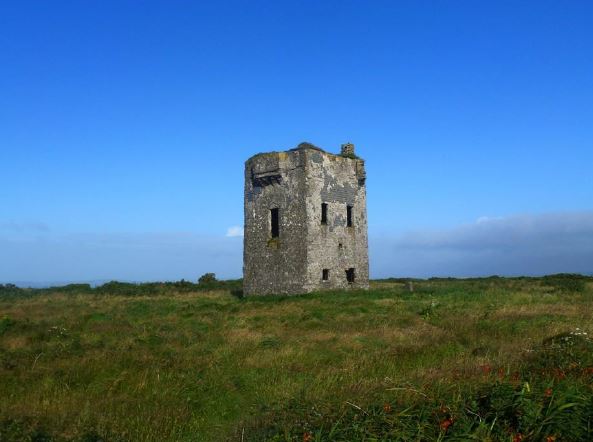
To protect and preserve the immense heritage of the Napoleonic Signal Tower. By preserving this 220 year old building, we enable visitors to step back in time as they engage with the history.
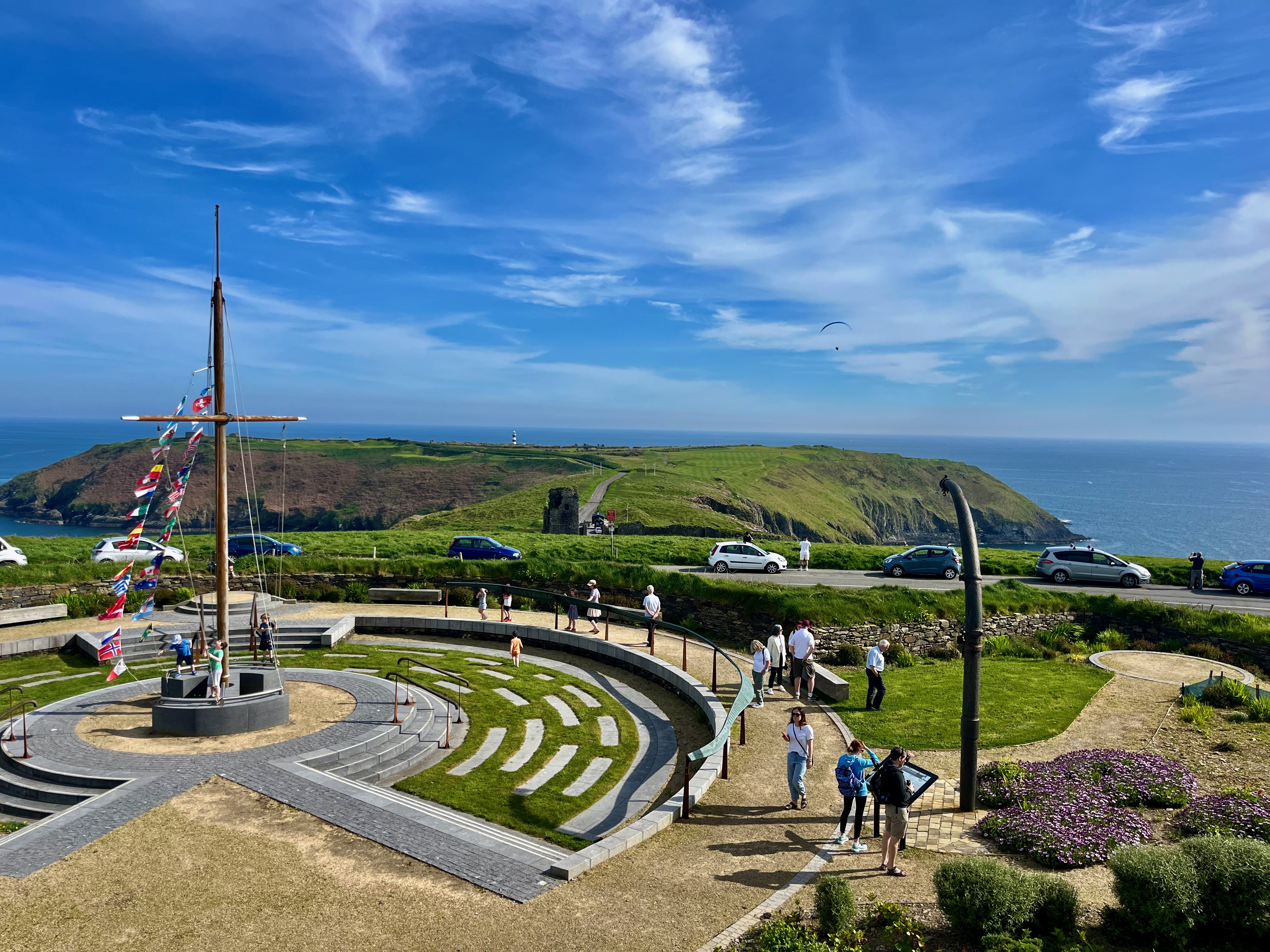
To remember the human cost of wartime in a peaceful and reflective setting.
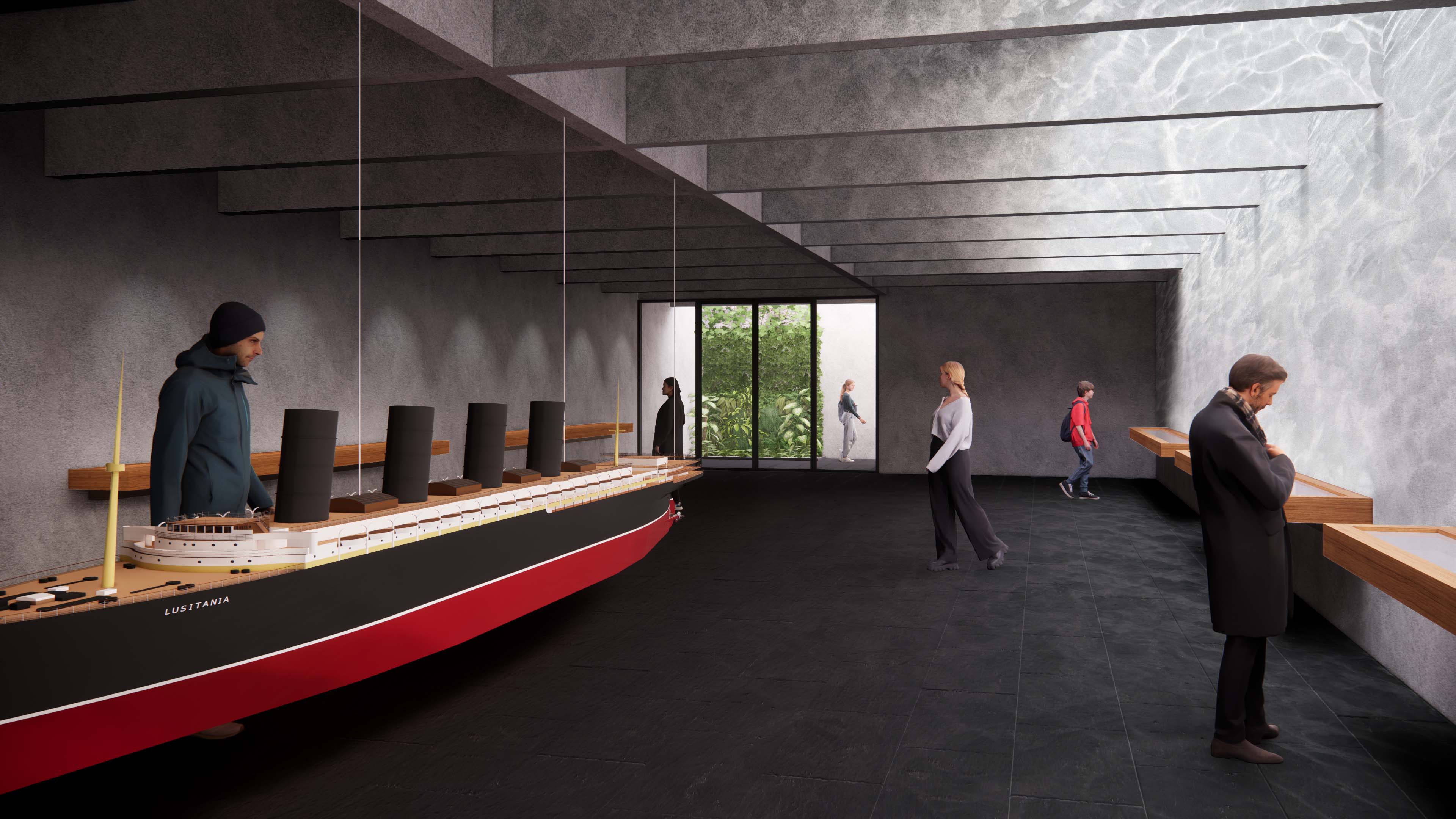
Towards better understanding the complex interplay of political manoeuvring in global conflict, the creation of propaganda narratives and civilian devastation through the Lusitania story.
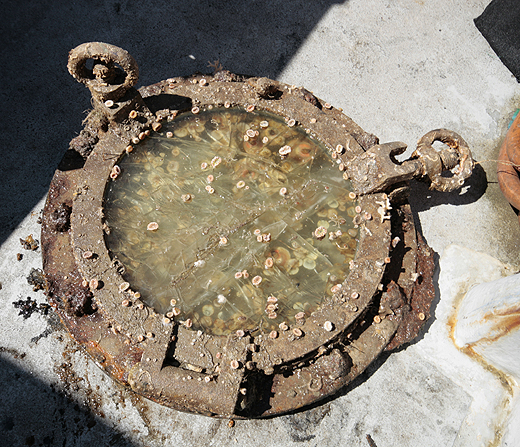
Conducting scientific surveys of the Lusitania wreck and wreck site and retrieval of significant artefacts where appropriate, in collaboration with the National Monuments Service, while ensuring the protection of this underwater gravesite.