
We intend to build an architecturally deisgned Visitors Centre and Lusitania Museum in line with all of the site constraints identified inthe preliminary study. Planning Permission was secured in April 2025. Phase Three represents a natural extension of the two phases of the Old Head Project already completed -
1. The restoration of the 1804 Napoleonic Signal Tower as a small museum and panoramic viewing point;
2. The creation of the Lusitania Memorial Garden, with its iconic bronze sculpture listing the names of all Lusitania passengers and crew.
We currently exhibit some Lusitania artefacts in the limited and challenging space within the Tower. The recent gift to us by Mr Greg Bemis of the Lusitania wreck has greatly enhanced our scope to explore the Lusitania story.
There is no dedicated Museum to RMS Lusitania worldwide, despite its historic significance.
The Lusitania is often overshadowed by the tragedy of the Titanic, the worlds largest ship at the time, which struck an ice-berg and sank on her maidan voyage in April 1912. Whilst the story of the Titanic and Lusitania are vastly different, both are significant maritime tragedies. It has become increasingly apparent to us since opening in 2015 that, in general, most people are not familiar with the sinking of the Lusitania. Instead, many initially think the Lusitania is the Titanic, or the sister ship of the Titanic.
One maritime disaster has overshadowed the other, and ultimately there is very little public awareness of the historic significance of RMS Lusitania. The Titanic has become a prominent theme in popular culture through its cinematic depictions with accompanying musical score and countless documentaries and books. Whilst the Titanic has multiple dedicated museums and experiences worldwide, we are the only place attempting to create a dedicated Lusitania Museum. This is a major opportunityin Ireland’s heritage and tourism offering.
The story of the Lusitania is one of global interest for a variety of reasons - There were over thirty nationalities aboard the Lusitania on her final voyage from New York; the Cunard liner was built in Scotland and its home port was Liverpool; the ship regularly called at Cobh (Queenstown) in its early career; the Lusitania was torpedoed by a German U-boat; the sinking resulted in far reaching implications for World War One; Descendants of Lusitania survivors and victims are dispersed across the globe.
The location of the sinking was within sight of the Old Head of Kinsale. The location of the museum itself would place the visitor at a fundamental landmark in the Lusitania story - the final sight of land for many aboard the ship. After visiting the museum, the roof of the 220 year old tower provides an atmospheric viewing platform overlooking the wreck site.We believe it is important to create a museum which captivates the visitor from the beginning. We intend to develop exhibits that are engaging and educational, immersive and thoughtprovoking. We intend to use tangible artefacts as well as modern technology to ensure an impactful museum, which encourages debate and critical analysis. It is equally necessary to ensure museum exhibits are not thought of as ‘entertaining’ given the historical sensitivity of the event in question. A key theme of our museum interpretation will be the Lusitania wreck - which we intend to exhibit using three dimensional modelling. Continued research in collaboration with the National Monuments Service will inform how our exhibits evolve as the wreck changes over time.
We anticipate that visitors will leave the museum with a greater understanding of the Lusitania story - in particular the ability to see the parallels between the Lusitania and ongoing conflicts. A key focus of the museum must be to create an awareness of the inextricable interplay of political manoeuvring in global conflict, and the consequencesfor civilian life. Moreover, it will be necessary for visitors to confront the various narratives and propaganda that emerged around the Lusitania sinking, and question why this was the case.
At the core of the Lusitania sinking is a human tragedy, often overshadowed by the political conspiracies and wartime significance of the sinking. We envisage that our museum will place the human element at the centre of this story, allowing visitors to connect and resonate with the personal experiences of those aboard. We have been fortunate in receiving great support from Lusitania relatives across the world, many of whom have visited us since opening in 2015. We have received various items of memorabilia from some relatives and have been promised more from others when the museum is complete. Similarly, we are communicating with people related to individuals involved in the rescue efforts and eye witnesses from land.
Simple items of clothing, medals, letters and photographs, for example, will feature as part of the exhibits as well as audio-visual accounts of lived experiences and eye-witness accounts. Indeed the museum will be an emotional experience, which also celebrates humanspirit and cooperation in the face of unthinkable tragedy.
The Lusitania Museum will be fully accessible, will include a reception area, Café, giftshop and toilets, and provide adequate parking for buses, cars (including electric) and bicycles. We envision a state of the art building in terms of environmental sustainability as close as possible to zero carbon emissions build using rainwater harvesting. The building will have minimum visual impact on the wider landscape, with height, positioning and scale having been a major focus of our pre-planning design discussions. The immediate surrounds of the Signal Tower must be clutter free, with the Tower maintaining its integrity and stark visual impact. With increased indoor space, we intend to extend from seasonal to year round opening hours.
We are raising funds to provide the 10% match funding required to deliver the final phase of the our project. To build the Lusitania Museum, €700,000 must be secured. This funding is essential to unlock capital investment, as the total cost of the project will be €7 million.
Your support matters now more than ever — and will play a direct role in ensuring that the final phase of this community project is successfully delivered.
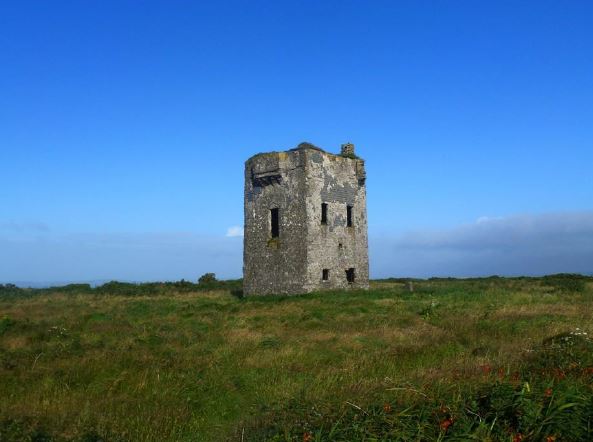
To protect and preserve the immense heritage of the Napoleonic Signal Tower. By preserving this 220 year old building, we enable visitors to step back in time as they engage with the history.
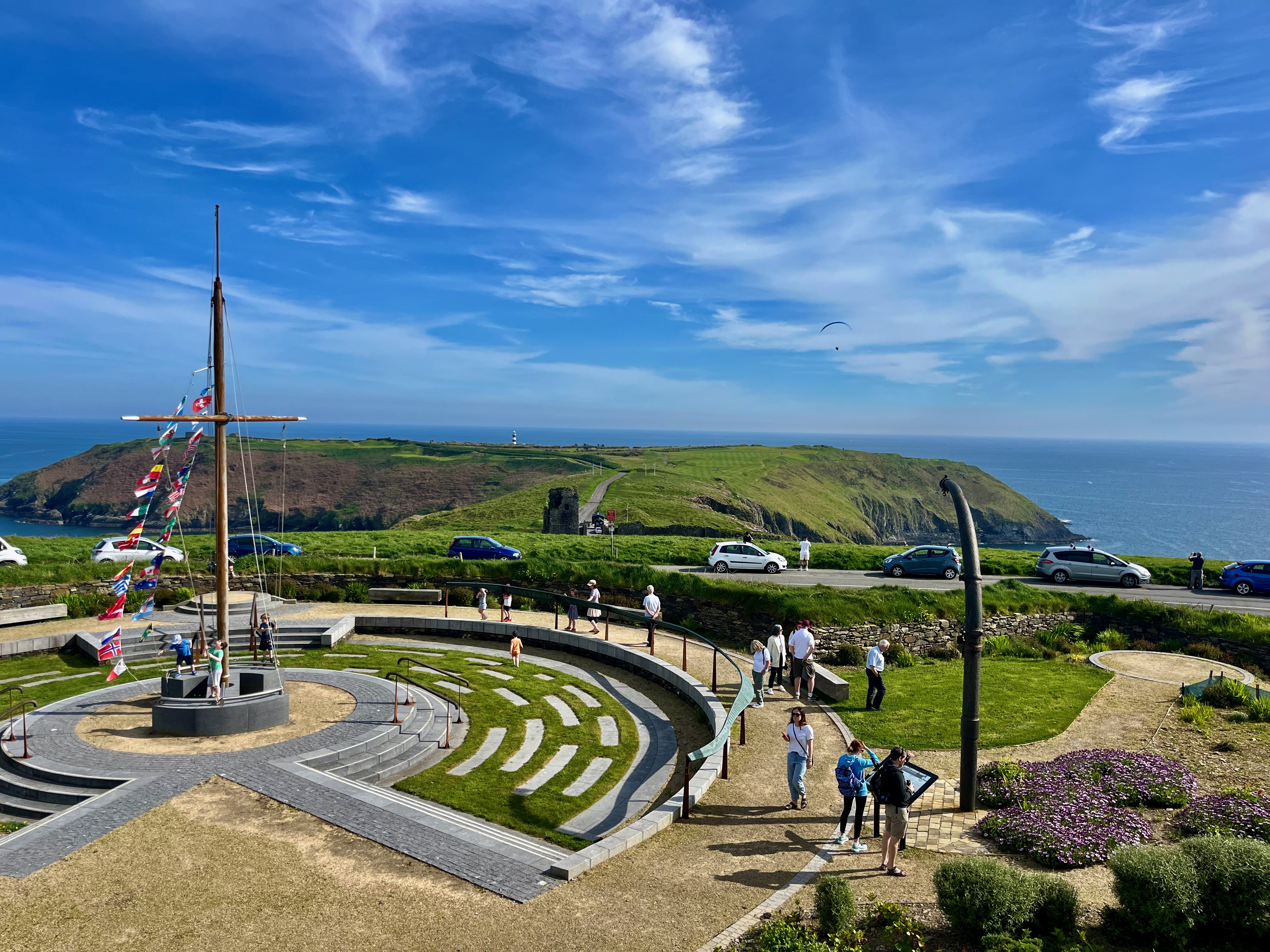
To remember the human cost of wartime in a peaceful and reflective setting.
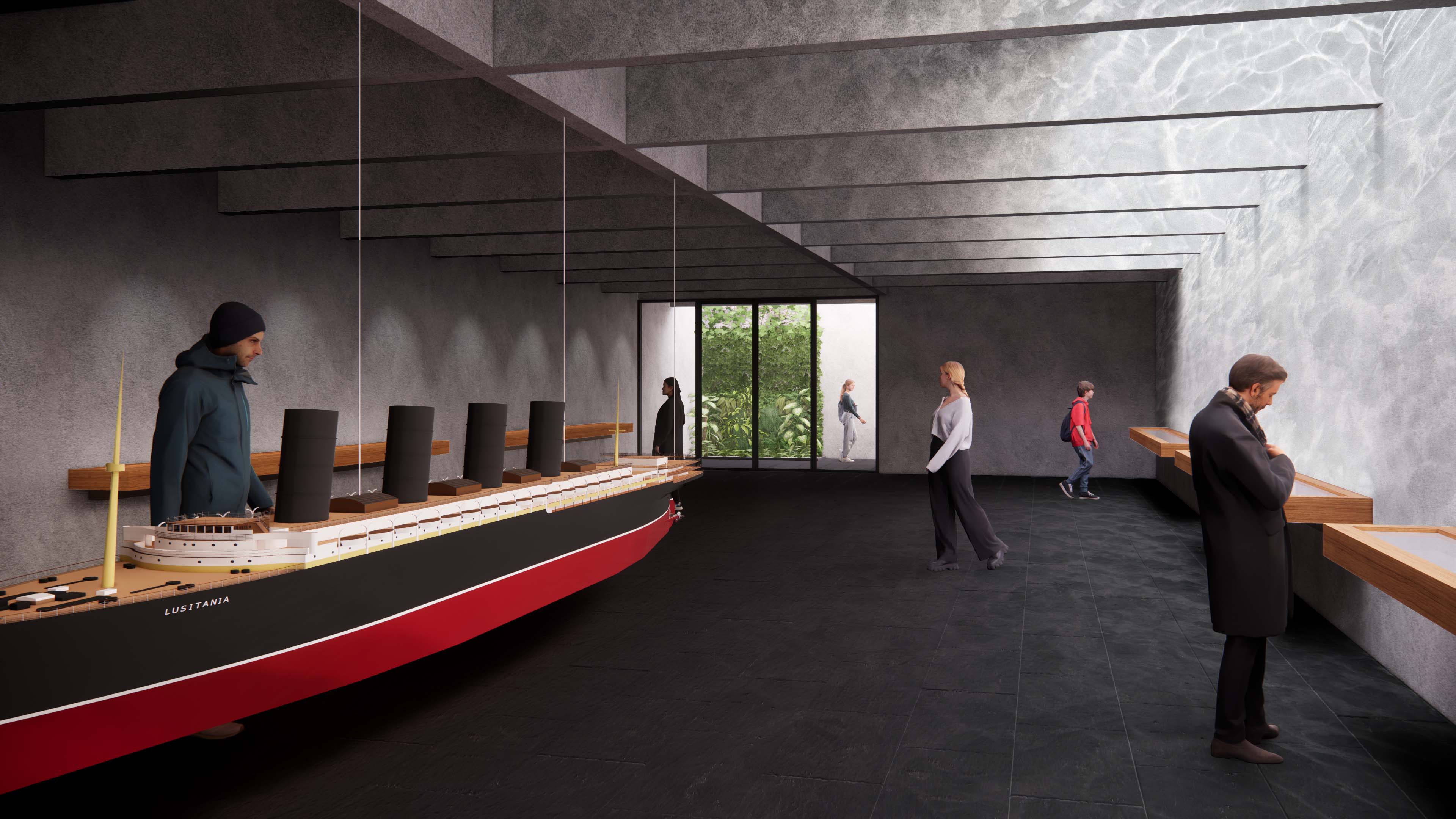
Towards better understanding the complex interplay of political manoeuvring in global conflict, the creation of propaganda narratives and civilian devastation through the Lusitania story.
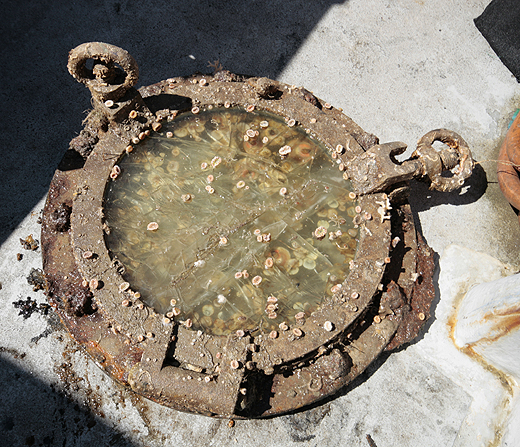
Conducting scientific surveys of the Lusitania wreck and wreck site and retrieval of significant artefacts where appropriate, in collaboration with the National Monuments Service, while ensuring the protection of this underwater gravesite.